
Swollen Feet Related to Diabetes

Swollen Feet Related to Diabetes

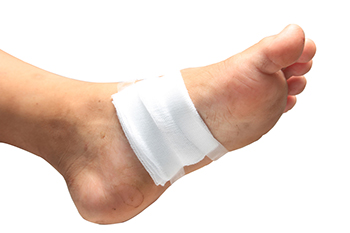
Swollen feet and ankles can be a warning sign of diabetes-related foot problems. High blood sugar can damage nerves and blood vessels, leading to poor circulation and fluid buildup in the lower legs. This swelling, called edema, can make shoes feel tight and walking uncomfortable. Diabetes can also cause nerve damage, known as neuropathy, which…

How to Care for Diabetic Foot

Millions of people are affected by diabetes each year. Diabetes damages blood vessels in all parts of the body, especially the feet. The legs and feet may develop slow blood flow, which causes neuropathy, or nerve damage. Once a diabetic patient develops neuropathy, it is important that the feet are well taken care of. Otherwise,…

Plantar Fasciitis

Plantar fasciitis is one of the most common causes of heel pain. The plantar fascia is the thick band of tissue that connects the heel bone to the toes. When this band of connective tissue becomes inflamed, plantar fasciitis occurs. Fortunately, this condition is treatable. There are several factors that may put you at a…

Plantar Fasciitis

Plantar fasciitis is one of the most common causes of heel pain. The plantar fascia is the thick band of tissue that connects the heel bone to the toes. When this band of connective tissue becomes inflamed, plantar fasciitis occurs. Fortunately, this condition is treatable. There are several factors that may put you at a…

Ankle Pain

Pain experienced in the ankle can be caused by a multitude of conditions. While the most common cause is an ankle sprain, other possible problems can include arthritis, gout, ankle instability, an ankle fracture, nerve compression, or tendinitis. In more serious cases, ankle pain can be a sign of improper alignment of the foot or…

Risk Factors for Sever’s Disease

Risk Factors for Sever’s Disease

Sever’s disease is a heel condition seen in growing children, especially during growth spurts when bones develop quickly. It involves irritation of the growth plate at the back of the heel, an area of soft, developing bone. Several risk factors increase the chance of Sever’s disease. High-impact activities like running and jumping place repeated stress…

End of content

End of content