Broken Toe Causes and Risk Factors
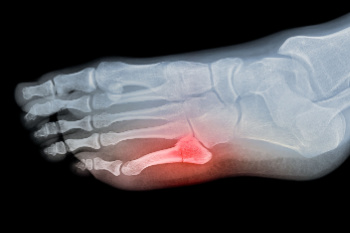
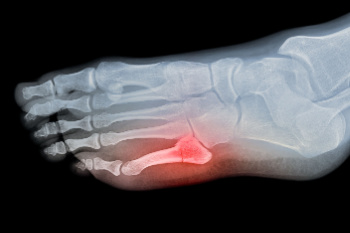
A broken toe is a foot injury that occurs when one of the small bones in the toe becomes fractured. This condition can result from direct trauma, such as stubbing the toe, or from prolonged repetitive movements that place stress on the bones. Stress fractures are tiny cracks in the bone that develop gradually due to repeated impact, often seen in athletes or individuals who spend long hours on their feet. Weakened bones, which may occur due to aging or certain health conditions, can also increase the risk of a fracture. Understanding how broken toes develop can help individuals recognize the condition early and take appropriate action.
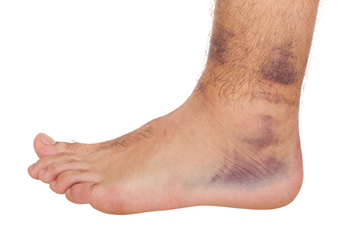
Symptoms of a broken toe often appear quickly after injury. Bruising and swelling commonly develop around the affected area, making the toe tender to touch. In some cases, the toe may appear bent or deformed, which can indicate a more serious fracture. Limited movement and stiffness may also occur, especially if the injury is not addressed promptly. These symptoms can interfere with daily activities and should not be ignored.
Several risk factors can increase the likelihood of a broken toe. Individuals who engage in repetitive high-impact activities such as running or jumping are more prone to stress fractures. Wearing improper footwear that lacks support or protection can also contribute to injury. Weakened bones caused by nutritional deficiencies or reduced bone density may make fractures more likely, even with minor trauma. Environments with uneven surfaces or cluttered spaces can further increase the risk of accidental impact.
Preventing broken toes involves taking practical steps to protect foot health. Wearing well-fitted shoes with adequate support can reduce the risk of injury during daily activities and exercise. If you notice persistent pain or visible changes in the toe, it is important to seek podiatric care. If you have broken a toe, it is suggested that you consult a podiatrist for effective relief and treatment solutions.
A broken toe can be very painful and lead to complications if not properly fixed. If you have any concerns about your feet, contact one of our doctors from Merrimack Valley Foot Specialists . Our doctors will treat your foot and ankle needs.
What to Know About a Broken Toe
Although most people try to avoid foot trauma such as banging, stubbing, or dropping heavy objects on their feet, the unfortunate fact is that it is a common occurrence. Given the fact that toes are positioned in front of the feet, they typically sustain the brunt of such trauma. When trauma occurs to a toe, the result can be a painful break (fracture).
Symptoms of a Broken Toe
- Throbbing pain
- Swelling
- Bruising on the skin and toenail
- The inability to move the toe
- Toe appears crooked or disfigured
- Tingling or numbness in the toe
Generally, it is best to stay off of the injured toe with the affected foot elevated.
Severe toe fractures may be treated with a splint, cast, and in some cases, minor surgery. Due to its position and the pressure it endures with daily activity, future complications can occur if the big toe is not properly treated.
If you have any questions, please feel free to contact our offices located in Haverhill and Newburyport, MA . We offer the newest diagnostic and treatment technologies for all your foot care needs.