
Similar Posts
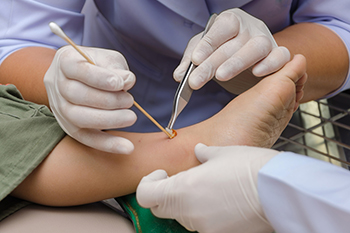
What Is Plantar Fibromatosis?
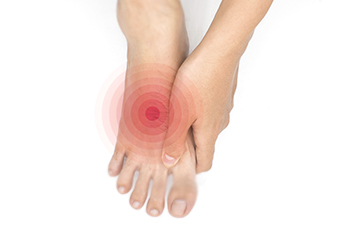
Plantar fibromatosis is a condition characterized by the development of benign fibrous nodules within the plantar fascia, the thick connective tissue along the bottom of the foot. These firm lumps are typically located in the arch, and may gradually increase in size. Symptoms can include localized pain, tenderness, swelling, and discomfort while walking or standing,…
Simple Ankle Stretches for Daily Support
Ankle pain can develop from overuse, strain, or poor movement patterns. It often appears as stiffness, soreness, or reduced range of motion. It may begin after activity or gradually worsen with time. Stretches like a towel stretch, calf raise, and golf ball roll can support flexibility and circulation. A towel stretch is done by sitting…
Understanding Sever’s Disease
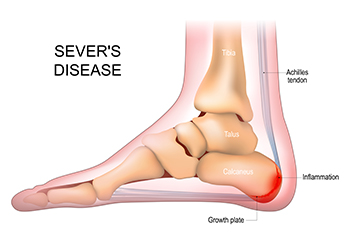
Sever’s disease is a common cause of heel pain in active children, especially during periods of rapid growth. Sever’s disease develops when repetitive stress irritates the growth plate at the back of the heel bone where the Achilles tendon attaches. Running, jumping, and sports with frequent starts and stops can increase strain on this sensitive…
Footwear Plays a Role in Preventing Falls
Preventing falls is an important part of protecting mobility and independence for older adults, and foot health plays a direct role in balance and stability. Painful feet, stiff ankles, weak calf muscles, reduced sensation from nerve damage, and deformities like bunions or curled toes can make walking less steady. Wearing safe footwear can help lower…
Risk Factors for Sever’s Disease
Sever’s disease is a heel condition seen in growing children, especially during growth spurts when bones develop quickly. It involves irritation of the growth plate at the back of the heel, an area of soft, developing bone. Several risk factors increase the chance of Sever’s disease. High-impact activities like running and jumping place repeated stress…
Swollen Feet Related to Diabetes
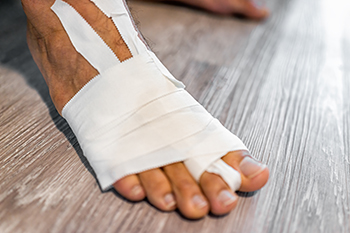
Swollen feet and ankles can be a warning sign of diabetes-related foot problems. High blood sugar can damage nerves and blood vessels, leading to poor circulation and fluid buildup in the lower legs. This swelling, called edema, can make shoes feel tight and walking uncomfortable. Diabetes can also cause nerve damage, known as neuropathy, which…